Let’s be real, the promise of free Bitcoin is
-incredibly* tempting. It feels like easy money, right? But the world of crypto is unfortunately riddled with scams, and Bitcoin giveaways are one of the most common ways people get tricked. It’s especially easy for newcomers to fall for these, lured in by the hype and the seemingly legitimate faces behind them.
This isn’t about being paranoid; it’s about being informed and protecting your hard-earned money.

These scams aren’t new, but they’re constantly evolving. What started as simple social media posts promising Bitcoin for a retweet has morphed into sophisticated operations using fake websites, impersonation, and even exploiting technical vulnerabilities. Understanding how these scams work, the red flags to look for, and how to protect yourself is crucial in navigating the crypto space safely. We’ll break down everything you need to know, from spotting a fake account to securing your wallet.
Bitcoin Giveaway Scams: A Growing Threat
The world of Bitcoin and cryptocurrency can be incredibly exciting, offering potential for financial growth and technological innovation. However, this excitement also attracts malicious actors. One of the most prevalent scams targeting newcomers – and even seasoned crypto users – are Bitcoin giveaway scams. These scams promise free Bitcoin in exchange for a small contribution, or simply require you to connect your wallet.
Unfortunately, they almost always result in financial loss. This article will equip you with the knowledge to identify, avoid, and report these scams, protecting your hard-earned cryptocurrency.
Scammers are masters of manipulation, leveraging psychological tactics like urgency and the allure of “free money” to cloud judgment. They’ve been refining their methods for years, adapting to increased awareness and security measures. Understanding how these scams work is the first step towards protecting yourself.
The Evolution of Bitcoin Giveaway Scams
Early Bitcoin giveaway scams were relatively simple – often involving fake social media posts promising Bitcoin in exchange for retweets or follows. As awareness grew, scammers became more sophisticated. They began impersonating prominent figures like Elon Musk, or legitimate cryptocurrency exchanges. More recently, scams have incorporated phishing links, fake websites, and even attempts to exploit vulnerabilities in decentralized applications (dApps).
The common thread throughout this evolution is the exploitation of trust and the creation of a sense of urgency.
To visualize the typical scam lifecycle, imagine a flowchart. It begins with Initial Contact (a social media post, direct message, or email). This leads to a Promise of Reward (free Bitcoin, a large percentage return). Next comes the Request for Action (send Bitcoin, connect your wallet, click a link). This is followed by Data Collection/Fund Transfer (the scammer gains access to your wallet or receives your Bitcoin).
Finally, the cycle ends with Financial Loss and often, a complete loss of contact with the scammer.
Identifying Common Red Flags
Spotting a Bitcoin giveaway scam often comes down to recognizing telltale signs. Scammers rarely create legitimate-looking profiles from scratch. They rely on deception, and their online presence often reflects that.
- Profile Age: Fake accounts are often newly created, lacking a substantial history.
- Follower Count: A large follower count doesn’t automatically mean legitimacy. Many scammers buy fake followers to appear more credible.
- Engagement Rates: Look for discrepancies between follower count and engagement (likes, comments, shares). Low engagement despite a high follower count is a major red flag.
- Profile Picture & Bio: Generic or stolen profile pictures are common. Bios are often vague or contain grammatical errors.
Deceptive social media posts promoting fake giveaways frequently use misleading language. Phrases like “Double your Bitcoin!” or “Limited-time offer – send Bitcoin now!” are designed to create a sense of urgency. They often feature images of well-known figures without their consent.
Impersonation is a cornerstone of these scams. Scammers will create accounts that closely resemble those of legitimate companies (like Binance or Coinbase) or public figures (like Elon Musk). They’ll often use similar usernames, logos, and even website designs to trick victims.
Here’s a comparison of legitimate Bitcoin promotions and common scam tactics:
| Feature | Legitimate Promotion | Scam Tactic | Explanation |
|---|---|---|---|
| Verification | Announced on official channels (website, verified social media). | Only promoted on unofficial accounts or through direct messages. | Legitimate companies use their official channels to announce promotions. |
| Requirements | Simple participation (e.g., follow, retweet). | Requires sending Bitcoin or connecting your wallet. | Legitimate giveaways rarely require you to send funds to participate. |
| Terms & Conditions | Clear and transparent terms and conditions. | Vague or non-existent terms and conditions. | Legitimate promotions will have clearly defined rules. |
| Website | Links to the official company website. | Links to a suspicious or unfamiliar website. | Always verify the website URL before entering any information. |
Analyzing Scam Websites and Links
Scammers often use deceptive websites and links to steal your information or compromise your wallet. Careful inspection is crucial.
Website URLs: Look for typosquatting (e.g., “Binancee.com” instead of “Binance.com”) and unusual domain extensions (e.g., .xyz, .top). Legitimate companies typically use .com or country-specific extensions.
Shortened URLs: Services like Bitly or TinyURL can hide the true destination of a link. Before clicking, use a URL expander tool (many are available online) to preview the full URL. If it looks suspicious, don’t click it.
Website Security Checklist:
- HTTPS: Ensure the website uses HTTPS (look for the padlock icon in the address bar). This indicates an encrypted connection.
- Privacy Policy: A legitimate website will have a clear privacy policy outlining how your data is collected and used.
- Contact Information: Look for valid contact information (address, phone number, email).
Website Reputation Tools: Tools like VirusTotal and Google Safe Browsing can help you assess the reputation of a website. However, these tools aren’t foolproof, so use them in conjunction with other checks.
Understanding the Technical Aspects of Scams
Beyond the social engineering, Bitcoin scams often rely on technical tricks to steal your funds.
Phishing: Scammers create fake websites that mimic legitimate exchanges or wallet providers. They then send you a link to this fake site, where you’re prompted to enter your private key or wallet information. Never enter your private key on a website you don’t fully trust.
Dusting Attacks: Scammers send tiny amounts of Bitcoin (“dust”) to your wallet. This allows them to track your transactions and potentially link your wallet to your identity. While dusting attacks don’t directly steal your funds, they can compromise your privacy.
Fake Wallet Applications & Browser Extensions: Scammers create fake wallet applications or browser extensions that appear legitimate. These apps are designed to steal your private keys or redirect your transactions to the scammer’s wallet. Only download wallets from official sources.
Common Scam Wallet Addresses (Examples): 1A1zP1eP5QGefi2DMPTfTL5SLmv7DivfNa, 3EktnHQD7RiAE6uzMj2ZifT9YgRrkSgzQX, bc1qar0srrr7xfkvy5l643lydnw9re59gt826wz59. (These are placeholders – real scam addresses change constantly.) You can report scam addresses to blockchain explorers and exchanges.
Recognizing Social Engineering Tactics
Source: comparitech.com
Scammers are skilled at building trust and manipulating emotions to get what they want.
They often start with seemingly harmless interactions, engaging in conversation and building rapport before requesting funds. This is a classic social engineering technique.
Emotional Manipulation: Scammers exploit emotions like fear, greed, and excitement. They might create a sense of urgency by claiming a giveaway is about to end, or appeal to your greed by promising unrealistic returns.
Common Phrases & Requests: Be wary of phrases like “Send a small amount to verify your wallet,” “This is a limited-time opportunity,” or “Don’t tell anyone about this.”
Here’s a sample conversation:
Scammer: “Hey! I’m giving away 10 Bitcoin to my followers. Just send 0.1 BTC to this address to verify your wallet and receive 10 BTC back!”
Victim: “Wow, that’s amazing! Is this real?”
Scammer: “Absolutely! It’s a thank you to my loyal followers. But you need to act fast, the giveaway ends in 1 hour!”
Victim: “Okay, I’ll send it now.”
Notice the urgency, the promise of a huge return, and the attempt to bypass rational thinking.
The Role of Verification and Due Diligence
Never take a giveaway claim at face value. Always verify it through official sources.
Independent Verification: Check the official website or social media accounts of the company or individual offering the giveaway. If it’s not mentioned there, it’s likely a scam.
Research Legitimacy: Before engaging with anyone online, research their background. Look for reviews, articles, and other information about them.
Reverse Image Search: Use Google Images or TinEye to check if an image has been stolen or fabricated. Scammers often use stock photos or images of other people.
Social Media Account Authentication: Look for verification badges (blue checkmarks) on social media accounts. Also, review the account’s history to see if it’s been recently created or has a history of suspicious activity.
Protecting Your Bitcoin and Personal Information
Proactive security measures are essential.
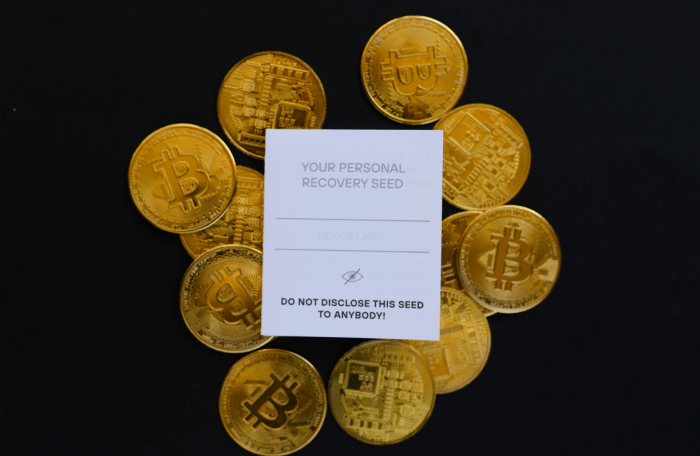
- Secure Your Wallet: Use a strong, unique password for your wallet. Enable two-factor authentication (2FA) whenever possible.
- Hardware Wallet: For long-term storage, consider using a hardware wallet. These devices store your private keys offline, making them much more secure.
- Protect Personal Information: Avoid oversharing personal information online. Use strong privacy settings on social media.
Imagine a layered security approach for your Bitcoin wallet. The first layer is a strong password. The second is two-factor authentication. The third is a secure device (like a hardware wallet). The fourth is cautious online behavior.
Reporting and Recovering from Scams
Source: redot.com
If you’ve been scammed, report it to the relevant authorities.
Reporting: Report the scam to law enforcement, your local consumer protection agency, and the cryptocurrency exchange involved (if applicable).
Resources for Victims: Support groups and legal assistance organizations can provide guidance and support.
Recovering Lost Funds: Unfortunately, recovering lost funds is often difficult or impossible. Accepting the loss and learning from the experience is crucial.
Helpful Links:
- Federal Trade Commission (FTC): https://www.ftc.gov/
- Internet Crime Complaint Center (IC3): https://www.ic3.gov/
- Blockchain Scam Alerts: https://www.blockchainscamalert.com/
Common Giveaway Scam Scenarios
Certain giveaway scams are particularly prevalent.
Elon Musk Giveaways: Scammers frequently impersonate Elon Musk, promising Bitcoin giveaways in exchange for a small contribution. These are almost always scams.
Exchange Promotions: Scammers create fake promotions mimicking legitimate cryptocurrency exchanges. They often require you to send Bitcoin to a specific address to participate.
Real-Life Examples: (Anonymized for privacy) A user sent 0.5 BTC to a scammer posing as Binance, believing they would receive 5 BTC in return. Another user clicked a phishing link in a fake Elon Musk giveaway post and had their wallet drained.
Here’s a table outlining different scam scenarios:
| Scenario Name | Description | Red Flags | Prevention |
|---|---|---|---|
| Elon Musk Giveaway | Promises free Bitcoin from Elon Musk. | Requires sending Bitcoin, unofficial accounts. | Verify on Elon Musk’s official Twitter account. |
| Exchange Promotion | Offers a large return on Bitcoin investment. | Requires sending Bitcoin to a specific address. | Verify on the exchange’s official website. |
| Hardware Wallet Giveaway | Claims to give away free hardware wallets. | Requests personal information or wallet access. | Only purchase hardware wallets from official retailers. |
Advanced Scam Techniques
Scammers are constantly evolving their tactics.
Smart Contracts: Sophisticated scams may involve fake smart contracts that appear legitimate but are designed to steal your funds. Understanding smart contract code is crucial before interacting with them.
dApp Exploits: Scammers exploit vulnerabilities in decentralized applications (dApps) to steal funds. Be cautious when using new or unverified dApps.
AI-Powered Scams & Deepfakes: The emergence of AI and deepfake technology poses a new threat. Scammers can create realistic fake videos and audio recordings to deceive victims.
Blockchain Transaction Analysis: Analyzing blockchain transactions can reveal suspicious activity. Look for transactions involving known scam addresses or unusual patterns.
Final Thoughts
Source: exactdn.com
So, there you have it – a deep dive into the world of Bitcoin giveaway scams. Remember, if something sounds too good to be true, it almost certainly is. The key takeaway is vigilance. Always independently verify information, protect your personal details, and never,
-ever* send Bitcoin to someone promising you more in return. Don’t let the allure of free crypto cloud your judgment.
Staying informed and practicing good security habits are your best defenses. The crypto world can be exciting and rewarding, but it requires a healthy dose of skepticism and a commitment to protecting yourself. Don’t be afraid to ask questions, do your research, and trust your gut. Your Bitcoin – and your peace of mind – are worth it.
Quick FAQs
What if I’ve already sent Bitcoin to a scammer?
Unfortunately, recovering lost funds is extremely difficult. Bitcoin transactions are irreversible. Report the scam to the relevant authorities (see resources below), but realistically, consider it a loss. This is a painful lesson, but it’s important to accept it and move forward.
Can I trace the scammer and get my money back?
Tracing Bitcoin transactions can be done, but identifying the
-person* behind the scam is incredibly challenging. Law enforcement may investigate, but success is not guaranteed. Don’t rely on “recovery services” that promise to get your money back for a fee – these are often scams themselves.
What’s the best way to report a Bitcoin scam?
Report the scam to your local law enforcement, the Federal Trade Commission (FTC) in the US, and the exchange you used (if applicable). Also, report the scammer’s social media accounts to the platform. Document everything – screenshots, transaction IDs, and any communication you had.
Are hardware wallets really necessary?
While not
-always* necessary, a hardware wallet significantly increases your security, especially for larger amounts of Bitcoin. It stores your private keys offline, making them inaccessible to hackers. Think of it like a physical safe for your crypto.
How can I tell if a social media account is verified?
Look for the official verification badge (usually a blue checkmark) provided by the platform. Also, check the account’s history – a legitimate account will have a consistent posting history and a large, engaged following. Be wary of accounts created recently with few followers.
