Okay, let’s talk about something that sounds super academic but is
-totally* relevant to why you might (or might not) be holding Bitcoin. It’s called “time preference,” and it basically boils down to how much we value things
-now* versus things in the
-future*. We all have it, and it subtly shapes every financial decision we make. Understanding it can really change how you think about Bitcoin as an investment.
For centuries, economists have wrestled with this idea. Do people prioritize immediate gratification, or are they willing to wait for bigger rewards down the line? Traditionally, things like interest rates and inflation have been the main players in this game. But Bitcoin throws a wrench into the works. Its unique characteristics – scarcity, decentralization – challenge the assumptions we’ve made about how we value time and money.
This isn’t just about charts and numbers; it’s about psychology, belief, and a fundamental shift in how we perceive value.
The Concept of Time Preference in Bitcoin Investing
Source: medium.com
Investing, at its core, is about trading present consumption for future consumption. We forgo spending money
-now* in the hope of having more money – and therefore more purchasing power –
-later*. But how much more do we need to be compensated to delay gratification? That’s where time preference comes in. It’s a fundamental concept in economics, and understanding it is crucial for navigating the often-turbulent waters of Bitcoin investing.
This article will explore how this principle shapes investment decisions, how it differs in traditional markets versus Bitcoin, and what it means for your strategy.
Time preference isn’t just about numbers; it’s deeply rooted in psychology. It reflects our innate human tendency to value things more highly the sooner we can have them. This isn’t necessarily irrational. There’s inherent risk in the future – things can change, plans can fall through, and opportunities can vanish. Acknowledging this inherent uncertainty is key to understanding why time preference exists and how it impacts our choices.
Introduction to Time Preference
Source: medium.com
Time preference, in economics, describes the relative valuation people place on receiving a good or service now versus receiving it in the future. A high time preference means someone strongly prefers immediate gratification, while a low time preference indicates a willingness to delay consumption for a larger future reward. It’s not simply about being impatient; it’s a reflection of risk assessment, opportunity cost, and psychological factors.
This preference directly influences saving and investment decisions. Someone with a high time preference is less likely to save, preferring to spend their money today. They might be drawn to investments with quick, albeit potentially smaller, returns. Conversely, someone with a low time preference is more inclined to save and invest for the long term, accepting lower immediate returns for the potential of greater future wealth.
They’re willing to trade present consumption for future gains.
The concept’s roots can be traced back to the Austrian School of Economics, particularly the work of Eugen von Böhm-Bawerk in the late 19th century. He argued that goods available for immediate consumption are more valuable because they satisfy more pressing needs. Later economists built upon this foundation, incorporating psychological insights into the model.
Several psychological factors contribute to varying degrees of time preference. These include uncertainty about the future, the psychological pain of delaying gratification (often called ‘temporal discounting’), and individual differences in self-control. For example, someone facing financial insecurity might have a higher time preference, prioritizing immediate needs over long-term savings.
Time Preference and Traditional Investments
Source: googleusercontent.com
When considering traditional investments like stocks, bonds, and real estate, time preference plays a significant role in determining which assets appeal to different investors. Each asset class offers a different balance of risk and return over varying time horizons, aligning with different time preference levels.
Stocks generally offer the potential for higher returns but come with greater volatility, making them suitable for investors with a lower time preference who can withstand short-term fluctuations. Bonds, typically considered less risky, offer more predictable but often lower returns, appealing to those with a medium time preference. Real estate often requires a longer-term investment horizon and can provide both income and capital appreciation, attracting investors with a low time preference.
Interest rates and expected returns are directly linked to an investor’s time preference in conventional markets. Higher interest rates compensate investors for delaying consumption, appealing to those with a lower time preference. Expected returns reflect the perceived risk and time horizon of an investment; higher expected returns typically come with longer time horizons and greater risk.
Inflation erodes the purchasing power of future returns, effectively increasing time preference. If inflation is high, investors demand higher returns to compensate for the loss of value, making future returns less attractive. This can lead to a shift towards shorter-term investments or assets that are perceived as inflation hedges.
Here’s a table illustrating typical investment horizons and associated time preference levels for different asset classes:
| Asset Class | Typical Horizon | Time Preference (Low/Medium/High) | Rationale |
|---|---|---|---|
| Stocks | 5+ Years | Low | Potential for high long-term growth outweighs short-term volatility. |
| Bonds | 1-10 Years | Medium | Provides a more stable income stream with moderate risk. |
| Real Estate | 10+ Years | Low | Long-term appreciation and rental income require patience. |
| Savings Account | Short-Term | High | Prioritizes liquidity and immediate access to funds. |
Bitcoin as a Unique Asset: Challenging Time Preference
Bitcoin presents a unique challenge to traditional time preference calculations. Its core characteristics – scarcity, decentralization, and censorship resistance – fundamentally alter the risk-reward profile compared to conventional assets. These features potentially encourage a lower time preference, framing Bitcoin not just as an investment, but as a long-term store of value.
Bitcoin’s limited supply of 21 million coins is a key factor. This scarcity, unlike fiat currencies which can be inflated, creates a deflationary pressure over time. The expectation that Bitcoin will become more valuable as demand increases and supply remains fixed influences perceptions of long-term value, incentivizing holding rather than spending.
Many proponents argue that Bitcoin encourages a lower time preference because it offers a hedge against inflation and government intervention. The ability to own and control your wealth without relying on intermediaries can be particularly appealing in times of economic uncertainty. This aligns with a long-term, preservation-of-wealth mindset.
“Bitcoin is the most trustworthy and reliable currency because it’s mathematically secure, decentralized, and verifiable. It’s a long-term game, and those who understand that will be rewarded. However, its volatility presents a challenge to those with a high time preference, as it requires a strong stomach and a belief in the future.” – A prominent Bitcoin advocate
“While Bitcoin’s scarcity is appealing, its price volatility makes it a risky long-term store of value. The potential for significant price drops can trigger a higher time preference, leading investors to sell during downturns.” – A skeptical financial analyst
The Impact of Volatility on Time Preference in Bitcoin
Bitcoin’s notorious price volatility significantly impacts an investor’s willingness to defer gratification. Large and rapid price swings can trigger emotional responses, leading to impulsive decisions and a shift towards a higher time preference. The fear of missing out (FOMO) during bull markets and the panic selling during bear markets are prime examples of this effect.
Risk aversion is inextricably linked to time preference when considering Bitcoin investments. Someone highly risk-averse will likely have a higher time preference, preferring to avoid the potential for significant losses even if it means sacrificing potential gains. Conversely, someone more comfortable with risk might be willing to hold Bitcoin for the long term, accepting the volatility as part of the investment process.
Consider these scenarios: If Bitcoin’s price experiences a 50% drop in a short period, an investor with a high time preference might panic and sell, realizing their losses. An investor with a low time preference, however, might view this as a buying opportunity, believing in the long-term potential of Bitcoin. Conversely, a rapid price increase might tempt a high-time-preference investor to sell and take profits, while a low-time-preference investor might hold, anticipating further gains.
Here are some strategies investors can employ to mitigate volatility-induced changes in time preference:
- Dollar-Cost Averaging (DCA): Investing a fixed amount of money at regular intervals, regardless of the price, can reduce the emotional impact of volatility.
- Long-Term Perspective: Focusing on the long-term potential of Bitcoin and ignoring short-term fluctuations.
- Diversification: Spreading investments across multiple asset classes to reduce overall portfolio risk.
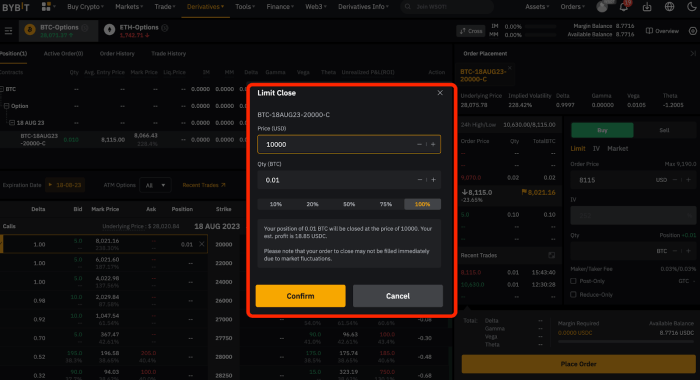
- Setting Stop-Loss Orders: Automatically selling Bitcoin if it falls below a certain price, limiting potential losses.
- Emotional Discipline: Avoiding impulsive decisions based on fear or greed.
Time Horizon and Bitcoin Investment Strategies
The relationship between time horizon and time preference is particularly pronounced in Bitcoin investing. Short-term trading strategies, driven by a high time preference, contrast sharply with long-term holding strategies (HODLing), which reflect a low time preference. The chosen strategy significantly influences the perceived risk and reward.
Short-term trading aims to profit from short-term price fluctuations. This requires constant monitoring, quick decision-making, and a willingness to accept frequent gains and losses. It’s suited for investors with a high time preference who prioritize immediate returns. Long-term holding, on the other hand, involves buying Bitcoin and holding it for an extended period, regardless of short-term price movements. This strategy relies on the belief that Bitcoin will appreciate significantly over time and is ideal for investors with a low time preference.
Dollar-cost averaging (DCA) is a powerful tool for managing time preference in a volatile market. By investing a fixed amount regularly, DCA smooths out the purchase price, reducing the impact of volatility and encouraging a more long-term perspective. It helps to overcome the temptation to time the market, which is often driven by a high time preference.
Here’s a table outlining various Bitcoin investment strategies, their typical time horizons, and the implied time preference:
| Strategy | Time Horizon | Implied Time Preference | Risk Level |
|---|---|---|---|
| Day Trading | Minutes to Days | High | Very High |
| Swing Trading | Days to Weeks | Medium-High | High |
| Dollar-Cost Averaging (DCA) | Months to Years | Medium | Medium |
| Long-Term Holding (HODLing) | Years to Decades | Low | Medium-High |
Bitcoin and the Discount Rate
The discount rate is a crucial concept in finance, representing the rate of return used to discount future cash flows back to their present value. It reflects the time value of money – the idea that money available today is worth more than the same amount of money in the future.
An individual’s time preference directly influences their personal discount rate. Someone with a high time preference will use a higher discount rate, effectively devaluing future returns more significantly. This is because they place a greater emphasis on immediate gratification and perceive future rewards as less valuable. Conversely, someone with a low time preference will use a lower discount rate, valuing future returns more highly.
The discount rate is used to evaluate the present value of potential Bitcoin returns. For example, if you expect Bitcoin to be worth $100,000 in five years, you would use a discount rate to calculate its present value. A higher discount rate would result in a lower present value, reflecting a greater preference for immediate returns.
Let’s illustrate with examples: If you apply a 10% discount rate to a potential $100,000 Bitcoin return in five years, the present value is approximately $62,092. However, if you use a 3% discount rate, the present value increases to approximately $86,261. This demonstrates how a lower discount rate (reflecting a lower time preference) leads to a higher perceived value of future returns.
The Role of Network Effects and Adoption in Time Preference
Increasing Bitcoin adoption and the resulting network effects have the potential to influence long-term time preference. As more people use Bitcoin, its utility and acceptance grow, reinforcing its value and encouraging a longer-term investment horizon.
Positive feedback loops can emerge between adoption, price appreciation, and reduced time preference. Increased adoption drives demand, leading to price appreciation. This appreciation, in turn, attracts more investors, further increasing adoption and reinforcing the belief in Bitcoin’s long-term potential. As confidence grows, investors become more willing to delay gratification, lowering their time preference.
The perceived legitimacy and security of the Bitcoin network are critical factors impacting investor confidence and time horizons. A robust and secure network inspires trust, encouraging investors to hold Bitcoin for the long term. Conversely, concerns about security breaches or regulatory uncertainty can increase time preference, leading to selling pressure.
Here’s a list of factors that could accelerate or hinder Bitcoin adoption and their corresponding effects on time preference:
- Institutional Adoption: Increased investment from institutional investors would likely lower time preference.
- Regulatory Clarity: Clear and favorable regulations would boost confidence and encourage long-term holding.
- Scalability Solutions: Improvements in Bitcoin’s scalability (e.g., Layer-2 solutions) would enhance its usability and attract more users, lowering time preference.
- Security Breaches: Major security breaches could erode trust and increase time preference.
- Negative Media Coverage: Negative press could create fear and uncertainty, leading to increased selling pressure.
Behavioral Economics and Bitcoin Time Preference
Behavioral economics sheds light on how cognitive biases can distort time preference in Bitcoin investing. These biases, systematic patterns of deviation from norm or rationality in judgment, can lead to suboptimal investment decisions.
Loss aversion, the tendency to feel the pain of a loss more strongly than the pleasure of an equivalent gain, can significantly impact time preference. Investors might be more inclined to sell Bitcoin during a downturn to avoid further losses, even if it means realizing a loss and missing out on potential future gains. Present bias, the tendency to overvalue immediate rewards and undervalue future rewards, can lead to impulsive buying and selling decisions, driven by short-term market movements.
Framing effects, how information is presented, and anchoring bias, the tendency to rely too heavily on the first piece of information received, can also influence investment decisions related to Bitcoin. For example, framing Bitcoin as a “digital gold” might encourage a lower time preference, while framing it as a “risky speculative asset” might increase time preference.
Behavioral nudges, subtle changes in the way choices are presented, could be used to encourage more rational time preference in Bitcoin allocation. For example, automatically enrolling investors in a dollar-cost averaging plan or providing clear visualizations of long-term growth potential could help to overcome cognitive biases.
Imagine a graph depicting the distorted valuation of Bitcoin due to present bias. The Y-axis represents perceived value, and the X-axis represents time. A rational valuation would show a steadily increasing line, reflecting the long-term potential of Bitcoin. However, the graph shows a steep peak in the immediate future, followed by a rapid decline, illustrating the tendency to overvalue short-term gains and undervalue long-term growth.
This visual representation highlights how present bias can lead to suboptimal investment decisions.
Time Preference Across Different Demographic Groups in Bitcoin
Time preference levels can vary significantly across different demographic groups investing in Bitcoin. Age, risk tolerance, and financial literacy all play a role in shaping these preferences.
Younger investors, generally having a longer time horizon and a higher risk tolerance, tend to exhibit a lower time preference. They are more willing to invest in Bitcoin for the long term, believing in its potential for future growth. Older investors, closer to retirement, might have a higher time preference, prioritizing capital preservation and income generation.
Risk tolerance and financial literacy are also key factors. Investors with a higher risk tolerance are more comfortable with the volatility of Bitcoin and are more likely to hold it for the long term. Those with greater financial literacy are better equipped to understand the risks and rewards of Bitcoin and make informed investment decisions.
Cultural factors and geographic location can also influence time preference. In some cultures, saving and long-term planning are highly valued, leading to a lower time preference. In others, immediate gratification might be more prevalent, resulting in a higher time preference.
Here’s a table summarizing observed differences in time preference across various demographic segments of Bitcoin investors:
| Demographic | Average Age | Risk Tolerance | Time Preference (Low/Medium/High) |
|---|---|---|---|
| Gen Z | 18-25 | High | Low |
| Millennials | 26-40 | Medium-High | Medium |
| Gen X | 41-55 | Medium | Medium |
| Baby Boomers | 56-74 | Low-Medium | High |
The Future of Time Preference and Bitcoin
Potential future developments in Bitcoin could further impact time preference. Layer-2 scaling solutions, like the Lightning Network, aim to improve Bitcoin’s transaction speed and reduce fees, making it more practical for everyday use. This increased usability could lower time preference by making Bitcoin a more attractive medium of exchange.
Institutional adoption is another key factor. Increased investment from institutional investors would likely legitimize Bitcoin and encourage a longer-term investment horizon, lowering time preference. However, macroeconomic factors like inflation and interest rates will also play a role. High inflation could increase demand for Bitcoin as an inflation hedge, lowering time preference. Rising interest rates, conversely, might make traditional investments more attractive, potentially increasing time preference.
Changes in the regulatory landscape could significantly influence investor time horizons. Clear and favorable regulations would boost confidence and encourage long-term holding. However, restrictive regulations could create uncertainty and lead to increased selling pressure.
Advancements in Bitcoin technology, such as improved privacy features or smart contract capabilities, could potentially reduce perceived risk and lower time preference. For example, more secure and private transactions could attract investors who are concerned about censorship or surveillance.
Final Conclusion
So, where does all this leave us? Thinking about time preference isn’t about finding the “right” answer, but about recognizing
-your* own preferences and how they influence your Bitcoin strategy. Bitcoin’s potential to be a long-term store of value certainly encourages a lower time preference, but volatility and personal circumstances can easily shift things. It’s a fascinating interplay of economics, psychology, and technology.
Ultimately, understanding time preference helps you make more informed decisions, manage your risk, and align your Bitcoin investments with your long-term goals. It’s about being aware of the biases that influence your thinking and building a strategy that reflects your individual needs and beliefs. It’s a complex topic, but one that’s absolutely crucial for anyone serious about navigating the world of Bitcoin.
FAQ Corner
What’s the difference between a low and high time preference?
A low time preference means you’re willing to delay gratification and prioritize future rewards. Someone with a high time preference wants things
-now* and discounts the value of future benefits. Think saving for retirement (low) versus spending your paycheck on a new gadget (high).
How does Bitcoin volatility specifically impact time preference?
High volatility makes it harder to think long-term. Seeing big price swings can trigger a desire to sell and lock in profits (or cut losses), increasing your time preference. It’s harder to be patient when your investment feels risky.
Is there a “best” time preference for Bitcoin investing?
Not necessarily! It depends on your individual goals and risk tolerance. Long-term holders (HODLers) generally have a lower time preference, while traders aiming for quick profits have a higher one. The key is to be
-aware* of your preference and invest accordingly.
Can my time preference change over time?
Absolutely. Life events, financial situations, and even exposure to new information can all influence your time preference. For example, getting closer to retirement might encourage a lower time preference.
How does dollar-cost averaging help with time preference?
Dollar-cost averaging (DCA) reduces the emotional impact of volatility. By investing a fixed amount regularly, you avoid trying to time the market and can stick to a long-term strategy, even during price swings, which supports a lower time preference.
