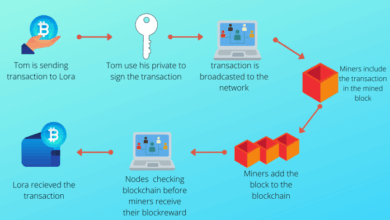
Okay, so you’re hearing about Bitcoin, maybe even thinking about getting some. Awesome! But before you dive in, there’s something super important you need to understand: Bitcoin wallets. Forget leather and cash – this is a whole new way to hold and use your money. It can seem a little intimidating at first, but trust me, it’s not rocket science.
This is about taking control of
-your* finances, and a wallet is the key.






Essentially, a Bitcoin wallet isn’t actually storing the Bitcoin itself. Think of it more like the key to a safety deposit box. The Bitcoin lives on the blockchain, a public ledger, and your wallet holds the ‘keys’ that allow you to access and spend it. We’ll break down what those keys are, the different types of wallets available, and how to keep your digital assets safe.
Let’s get started!
What is a Bitcoin Wallet and Why Do You Need One?

Source: bitcoin.com
Bitcoin, the first and most well-known cryptocurrency, has revolutionized the way we think about money. But owning Bitcoin isn’t like carrying cash. You can’t physically hold it. Instead, you need a Bitcoin wallet – a digital tool that allows you to interact with the Bitcoin network. It’s the key to sending, receiving, and managing your Bitcoin holdings.
This article will break down everything you need to know about Bitcoin wallets, from the basics to advanced features, helping you choose the right one for your needs and stay secure.
Think of a Bitcoin wallet less like a traditional wallet and more like a bank account. Your physical wallet holds
-representations* of value (cash, cards), while a Bitcoin wallet doesn’t actually
-store* Bitcoin. It stores the cryptographic keys that allow you to prove ownership and authorize transactions on the Bitcoin blockchain. It’s a crucial component for anyone looking to participate in the world of cryptocurrency.
Introduction to Bitcoin Wallets
Source: ndlabs.dev
At its core, a Bitcoin wallet is a software program or hardware device that stores your private keys. These keys are essential for accessing your Bitcoin. The wallet interacts with the Bitcoin network, allowing you to send and receive Bitcoin. It doesn’t hold the Bitcoin itself; the Bitcoin resides on the blockchain. The wallet simply provides the means to manage your access to it.
Unlike a physical wallet that holds tangible currency, a Bitcoin wallet manages digital information. A physical wallet is vulnerable to loss or theft of the contents. A Bitcoin wallet, if properly secured, protects against unauthorized access through cryptography. The security relies heavily on protecting your private keys, not the wallet itself.
The history of Bitcoin wallets mirrors the evolution of Bitcoin itself. Early wallets were command-line interfaces, requiring technical expertise to use. As Bitcoin gained popularity, more user-friendly graphical user interface (GUI) wallets emerged. Today, we have a wide range of options, from mobile apps to dedicated hardware devices, each offering different levels of security and convenience. The first Bitcoin wallet was created by Satoshi Nakamoto as part of the original Bitcoin client.
A Bitcoin wallet operates using three core components: public keys, private keys, and addresses. Your private key is a secret, randomly generated number that gives you control over your Bitcoin. Think of it as the ultimate password. Your public key is derived from your private key and is used to create your Bitcoin address, which is what you share with others to receive Bitcoin.
The address is like your account number, while the private key is like the PIN to access those funds.
Types of Bitcoin Wallets: A Comparative Overview
Choosing the right Bitcoin wallet depends on your individual needs and risk tolerance. Different types of wallets offer varying levels of security, convenience, cost, and control. Here’s a comparison:
| Wallet Type | Security | Convenience | Cost | Control |
|---|---|---|---|---|
| Software (Desktop) | Medium – Vulnerable to malware | High – Easy to use on a computer | Free | High – You control the private keys |
| Software (Mobile) | Medium – Vulnerable to mobile malware | Very High – Accessible on your smartphone | Free | High – You control the private keys |
| Software (Web-Based) | Low – Relies on third-party security | High – Accessible from any device with internet | Free | Low – Third party controls your private keys |
| Hardware | Very High – Private keys stored offline | Medium – Requires physical device | $50 – $200+ | High – You control the private keys |
| Paper | High – Offline storage, resistant to hacking | Low – Requires careful handling and storage | Cost of paper and printer | High – You control the private keys |
| Exchange | Low – Relies on exchange security | High – Convenient for trading | Free | Low – Exchange controls your private keys |
Software wallets, including desktop, mobile, and web-based options, are easy to use but can be vulnerable to hacking if your computer or phone is compromised. Hardware wallets offer the highest level of security by storing your private keys offline, making them resistant to online attacks. Paper wallets involve printing your private and public keys on a piece of paper, providing offline storage but requiring careful handling.
Exchange wallets are convenient for trading but come with the risk of the exchange being hacked or going bankrupt.
Creating a paper wallet involves generating a key pair using a dedicated website or software, then printing the public and private keys. The risk lies in the printing process itself (potential for copying) and the physical security of the paper. If someone gains access to your paper wallet and your private key, they can steal your Bitcoin.
Using an exchange wallet is the least secure option. You don’t control your private keys; the exchange does. This means you’re trusting the exchange to keep your Bitcoin safe. If the exchange is hacked or goes out of business, you could lose your funds.
Understanding Public and Private Keys
The relationship between public and private keys is fundamental to Bitcoin’s security. It’s based on cryptographic principles, specifically asymmetric cryptography. This means there are two keys – one for locking (the public key) and one for unlocking (the private key). It’s mathematically impossible to derive the private key from the public key.
Your private key is a secret number that allows you to spend your Bitcoin. It’s used to create a digital signature that proves you own the Bitcoin you’re trying to send. Your public key is derived from your private key using a one-way mathematical function. It’s used to create your Bitcoin address, which you can share with others to receive Bitcoin.
Anyone can use your public key to verify that a transaction was signed by you, but they cannot use it to access your funds.
Keeping your private key secure is paramount. If someone gains access to your private key, they can steal your Bitcoin. Never share your private key with anyone. Treat it like the PIN to your bank account. The consequences of a compromised private key are irreversible – your Bitcoin is gone.
Generating a Bitcoin address from a public key involves a hashing process. The public key is run through a one-way hash function, resulting in a shorter, more manageable address. This address is what you share with others to receive Bitcoin. There are different address formats (e.g., legacy, SegWit, Native SegWit), each with its own advantages and disadvantages.
Imagine a mailbox. Your public key is like the address on the mailbox – anyone can use it to send you mail (Bitcoin). Your private key is like the key to the mailbox – only you can open it and retrieve the mail (spend the Bitcoin). Without the key, the mail is safe inside, but inaccessible.
Wallet Security Best Practices
Protecting your Bitcoin wallet from security threats is crucial. The Bitcoin network itself is very secure, but your wallet is a potential point of vulnerability. Several common threats target Bitcoin users, including phishing attacks, malware, and physical theft.
Phishing attacks involve tricking you into revealing your private key or seed phrase through fake websites or emails. Malware can infect your computer or phone and steal your private keys. Physical theft of your hardware wallet or paper wallet can also lead to loss of funds.
Enabling two-factor authentication (2FA) on your software wallet adds an extra layer of security. 2FA requires you to enter a code from your phone or another device in addition to your password. This makes it much harder for someone to access your wallet even if they have your password.
Using strong passwords and passphrases is essential. A strong password should be at least 12 characters long and include a mix of uppercase and lowercase letters, numbers, and symbols. A passphrase is a longer, more memorable phrase that can be used instead of a password. The longer and more complex your password or passphrase, the harder it is to crack.
Securely backing up your Bitcoin wallet is vital. Most wallets generate a seed phrase (also known as a recovery phrase) – a list of 12 or 24 words that can be used to restore your wallet if you lose access to it. Write down your seed phrase on a piece of paper and store it in a safe place. You can also create an encrypted backup of your wallet file, but make sure to use a strong encryption password.
Here’s a checklist for regularly auditing your wallet security settings:
- Verify that 2FA is enabled.
- Check for any suspicious activity in your transaction history.
- Update your wallet software to the latest version.
- Scan your computer and phone for malware.
- Ensure your seed phrase is stored securely offline.
Choosing the Right Wallet for Your Needs
The best Bitcoin wallet for you depends on your individual needs and how you plan to use Bitcoin. Consider factors like user experience, supported cryptocurrencies, and transaction fees when making your decision.
If you’re new to Bitcoin, a user-friendly mobile wallet might be a good starting point. If you’re storing a large amount of Bitcoin, a hardware wallet is the most secure option. The amount of Bitcoin you’re storing is a key consideration. For small amounts used for daily transactions, a software wallet might suffice. For larger amounts intended for long-term holding, a hardware wallet is highly recommended.
Here are some scenarios:
- Choosing a wallet for daily spending: A mobile wallet offers convenience and ease of use for making small purchases.
- Choosing a wallet for long-term holding: A hardware wallet provides the highest level of security for storing large amounts of Bitcoin.
Here’s a list of popular Bitcoin wallet providers:
| Provider | Platform | Features | User Ratings (out of 5) |
|---|---|---|---|
| Ledger | Hardware | Secure element, Bluetooth connectivity | 4.5 |
| Trezor | Hardware | Open-source, touchscreen interface | 4.3 |
| Electrum | Desktop | Customizable, advanced features | 4.0 |
| Trust Wallet | iOS, Android | Multi-currency support, built-in DApp browser | 4.2 |
Multi-signature wallets require multiple private keys to authorize a transaction. This adds an extra layer of security, as a single compromised key is not enough to steal your Bitcoin. Multi-sig wallets are often used by businesses and organizations to protect their Bitcoin holdings.
Final Thoughts
Source: com.au
So, there you have it – a deep dive into the world of Bitcoin wallets! From understanding the difference between hot and cold storage to mastering the importance of those private keys, you’re now equipped with the knowledge to confidently navigate this space. Remember, choosing the right wallet is a personal decision, based on your needs and how you plan to use your Bitcoin.
The most important takeaway? Security. Protect your seed phrase like it’s the combination to a treasure chest. The future of finance is evolving, and understanding Bitcoin wallets is a crucial step in participating in that evolution. Don’t be afraid to research further and find what works best for
-you*.
Happy hodling!
Quick FAQs
What happens if I lose my private key?
If you lose your private key, you lose access to your Bitcoin. There’s no “forgot password” option. That’s why securely backing it up is
-the* most important thing.
Can I have more than one Bitcoin wallet?
Absolutely! Many people use multiple wallets for different purposes – one for everyday spending, another for long-term savings.
Are Bitcoin wallets free to use?
Many software wallets are free to download and use. Hardware wallets have an upfront cost, but offer increased security. Some services may charge transaction fees.
What’s the difference between a custodial and non-custodial wallet?
A custodial wallet (like an exchange wallet) means a third party controls your private keys. A non-custodial wallet gives
-you* complete control. Non-custodial is generally considered more secure, but requires more responsibility.
How do I know if a Bitcoin wallet is reputable?
Research the wallet provider thoroughly. Look for reviews, security audits, and a strong track record. Be wary of wallets with little to no information about their team or security practices.